
Posted At: Feb 18, 2026 - 17 Views
10 minutes to read

A few years ago, fuel delivery was mostly viewed as an on-demand convenience. Businesses focused on speed and ease, treating it like any other mobile service. However, after working with logistics companies and fleet-based businesses for more than a decade, I have observed a clear shift. Modern on-demand fuel delivery app solutions have transformed fuel delivery from a convenience into a necessity. For fleet operators, it has become core operational infrastructure.
As fleets expand, manage tighter schedules, and operate across multiple locations, their expectations for fuel delivery app development have changed significantly. Operators now look beyond basic order placement and tracking. They need systems that ensure consistent availability, accurate reporting, compliance readiness, and seamless coordination with daily fleet operations. A modern fuel delivery platform must function as a dependable backend system that supports dispatch, finance, and operations teams together.
This shift is strongly driven by fuel costs and operational pressure. According to data published by the U.S. Energy Information Administration on how petroleum products are used across transportation and commercial sectors, fuel expenses represent a significant share of total fleet operating costs, making efficiency and visibility critical for long term sustainability
Because of this reality, fleet operators are re-evaluating what fuel delivery technology should deliver and why choosing the right platform now plays a direct role in operational stability, cost control, and growth.
What Is Fuel Delivery App Development?
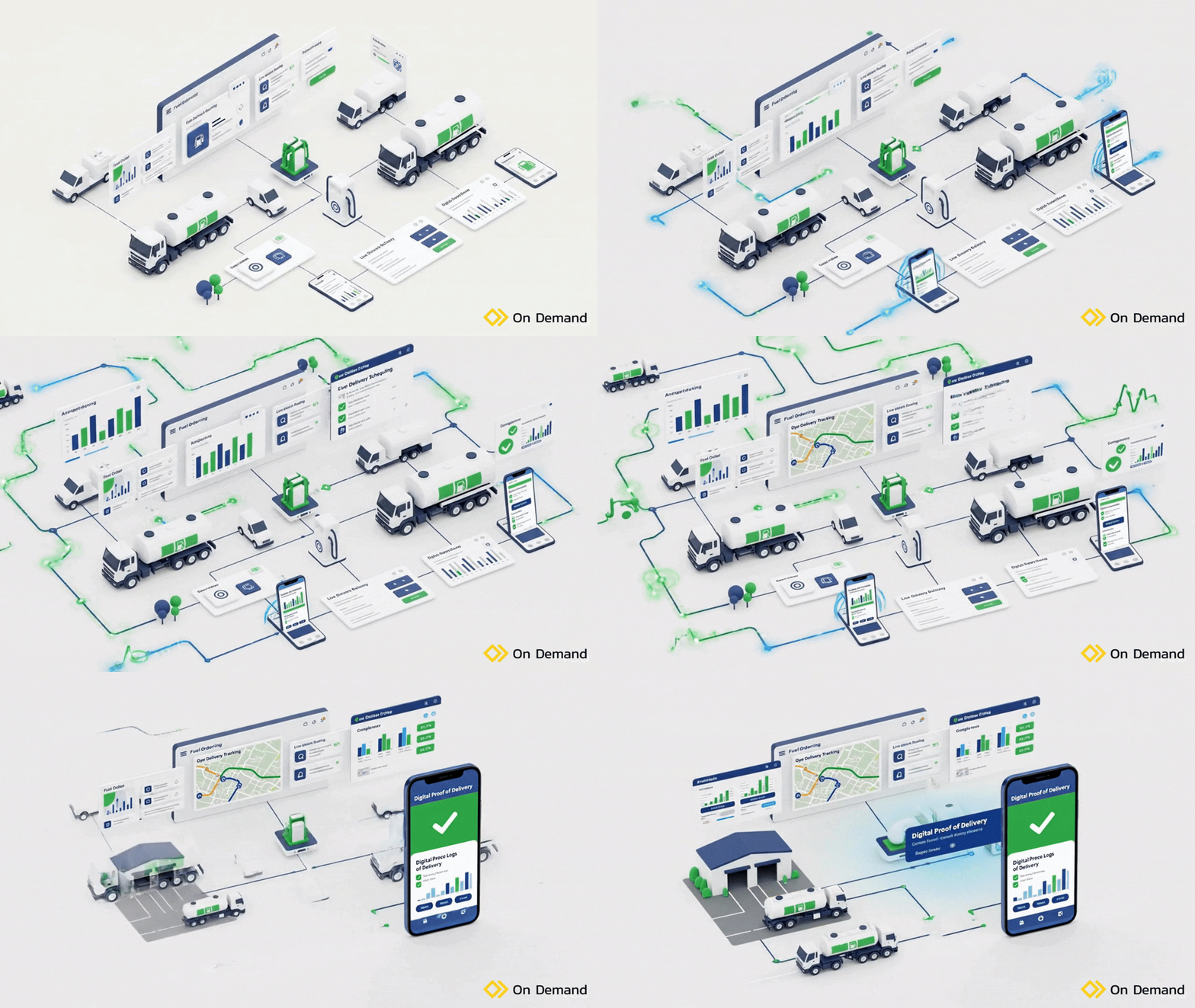
Fuel delivery app development is the process of creating a digital system that manages the ordering, scheduling, delivery, tracking, and reporting of fuel. For fleet operators, this is not a simple ordering app. It is operational software that supports daily fuel logistics at scale.
At its core, a modern fuel delivery app works through a centralized fuel delivery platform that connects all stakeholders. Here is how it typically functions:
- Fuel request and scheduling
Fleet managers or operations teams place fuel orders based on vehicle schedules, depot locations, or usage patterns. The system supports bulk orders and recurring schedules instead of one-time requests.
- Dispatch and route management
The platform assigns delivery vehicles, optimizes routes, and aligns deliveries with time windows to reduce downtime and missed refueling.
- Live delivery tracking and verification
During delivery, the app captures real-time status, delivered fuel quantity, timestamps, and digital proof of delivery for audits and billing.
- Billing, reporting, and analytics
After delivery, data flows automatically into invoices, fuel usage reports, and cost analysis dashboards used by fleet managers.
A critical distinction many businesses overlook is the difference between consumer fuel apps and fleet-focused platforms:
- Consumer fuel apps prioritize speed and convenience for individual vehicles.
- Fleet fuel platforms prioritize control, compliance, scalability, and cost visibility across hundreds or thousands of vehicles.
From my experience working with fleet-based systems for over a decade, the most successful fuel delivery app development projects treat the platform as long-term infrastructure. When designed correctly, it becomes the backbone of fleet fuel operations rather than just another mobile application.
Why Fleet Operators Are Investing in Fuel Delivery Platforms
Fleet operators today are thinking more strategically about how fuel impacts daily operations. Fuel is no longer just a running expense. It directly affects uptime, planning, and profitability. This shift in mindset is why comprehensive fuel and gas delivery solutions for fleets are gaining serious attention across fleet-based businesses.
Reduced vehicle downtime
Every trip to a fuel station takes vehicles off the road. Over time, this adds up to lost delivery hours and missed service windows. Fuel delivery platforms allow fleets to refuel vehicles during planned idle periods, such as overnight or between shifts. In one fleet operation I advised, scheduled on-site fueling helped reduce daily downtime without expanding the fleet size.
Predictable fueling schedules
Unplanned refueling creates uncertainty in operations. With a fuel delivery platform, fleet managers can set recurring schedules based on mileage, engine hours, or route patterns. This predictability helps teams avoid last-minute refuels and keeps vehicles consistently ready for deployment.
Centralized fuel operations
Managing fuel across multiple locations can quickly become fragmented. A centralized dashboard brings all fuel activity into one system, including orders, delivery status, approvals, and reporting. This structured approach is the foundation of an effective fleet fuel management system, ensuring consistency across regions and teams.
Cost visibility across fleets
Fuel delivery platforms provide real-time insights into fuel usage, delivery costs, and location-wise spend. Instead of waiting for monthly reports, operators can identify inefficiencies early and make adjustments before costs escalate.
In my view, fleet operators invest in fuel delivery platforms because they deliver control and clarity, not just convenience. These systems help fleets operate with confidence and financial discipline at scale.
Why White-Label Fuel Delivery Platforms Matter for Fleets
A white-label fuel delivery platform is a pre-built fuel delivery system that fleet operators can launch under their own brand. Instead of investing time and resources into building software from scratch, fleets get a ready platform that can be customized to match their operational needs and brand identity.
Here is why this approach matters so much for fleet operations:
Branding ownership
With a white-label platform, the entire fuel delivery experience carries the fleet’s brand. From dashboards to driver apps, everything reflects the company’s identity. This creates a consistent internal experience and reinforces trust when working with partners or enterprise clients.
Faster deployment
Time to market is critical in fleet operations. A white-label fuel delivery platform comes with core features already developed, such as order management, dispatch, delivery tracking, and reporting. This allows fleets to launch fuel operations quickly instead of waiting months for custom development.
Once live, the platform continues to deliver value through configurable workflows. Fleet operations are rarely one size fits all. Some fleets require approval-based ordering, while others rely on automated refueling schedules. White-label platforms allow teams to configure workflows, user roles, and permissions to match how fuel operations actually run.
This flexibility becomes especially important as fleets scale. New depots, regions, or vehicle types can be added without rebuilding the system. Over time, the platform evolves alongside the business instead of limiting growth.
In practical terms, white-label fuel delivery platforms give fleets the best balance between speed and control. They provide a strong operational foundation while still allowing fleets to operate, scale, and innovate under their own brand.

Core Expectations from Fuel Delivery App Development
When fleet operators invest in fuel delivery app development, they are not looking for surface-level features. They expect a system that can support daily operations without friction, scale with growth, and hold up under pressure. A mature fuel delivery platform must behave like mission-critical infrastructure, not a convenience tool. Below are the core expectations fleets consistently prioritize.
Reliability and Operational Continuity
Reliability is non-negotiable in fleet operations. Fuel delivery is tightly linked to vehicle availability, and even short disruptions can impact routes, service commitments, and revenue.
A fleet-grade fuel delivery platform is expected to deliver zero downtime through stable architecture and continuous monitoring. When something does go wrong, fail-safe dispatch mechanisms ensure orders are not lost, and deliveries continue with minimal disruption. For example, if a network issue occurs, dispatch workflows should resume automatically once connectivity is restored.
Real-time visibility is another essential layer. Fleet managers need live status updates on orders, deliveries, and vehicle movements. This visibility allows teams to respond quickly to delays, reroute deliveries, or adjust schedules before small issues become operational problems.
Fleet-Grade Dispatch and Scheduling
Dispatching fuel for fleets is far more complex than consumer delivery. A robust fuel delivery platform must handle bulk order management, allowing multiple vehicles or depots to be refueled within a single operational plan.
Multi-vehicle routing plays a critical role in efficiency. The system should include a robust route optimization solution based on delivery windows, vehicle capacity, and location clusters. This reduces fuel waste, improves turnaround times, and supports higher delivery volumes without increasing operational overhead.
Another key expectation is shift-based fueling. Many fleets operate in multiple shifts, and fueling needs to align with those schedules. A well-designed system allows fuel to be delivered between shifts or during idle periods, keeping vehicles ready without interrupting operations. This level of planning is central to an effective fleet fuel management system.
Compliance, Safety, and Audit Readiness
Compliance is where fleet-focused fuel delivery platforms clearly differentiate themselves. Fuel operations are subject to strict safety standards and regulatory oversight, and digital solutions for the oil and gas industry must support this reality.
Modern platforms maintain digital delivery logs that capture timestamps, locations, fuel quantities, and personnel involved. These logs are critical for audits and dispute resolution. Alongside this, safety checklists ensure drivers complete required inspections before and after deliveries, reducing risk and improving accountability.
Regulatory reporting is another core expectation. Fleet operators need accurate records for environmental, transport, and fuel handling regulations. A centralized system simplifies compliance by generating reports directly from operational data.
Perhaps most important is incident traceability. If an issue occurs, the platform should provide a clear digital trail showing what happened, when it happened, and who was involved. This level of traceability protects both operators and businesses.
Advanced Analytics and Fuel Intelligence
Fuel data is only valuable if it can be turned into insight. Fleet operators expect advanced analytics that go beyond basic reporting.
Consumption tracking helps identify usage patterns and anomalies across vehicles and locations. Cost per vehicle analysis allows managers to compare performance and detect inefficiencies early. Over time, these insights help fleets optimize routes, reduce waste, and negotiate better supply contracts.
Performance dashboards also play an important role. When fuel data is visualized clearly, decision makers can act faster and with more confidence. This intelligence layer transforms a fuel delivery platform into a strategic planning tool.
Integration with Fleet Ecosystems
Fuel operations do not exist in isolation. A modern fuel delivery platform must integrate seamlessly with the broader fleet ecosystem.
This includes ERP systems for procurement and reporting, telematics platforms for vehicle data, accounting software for billing and reconciliation, and CRM systems for client management. Integration reduces manual work, improves data accuracy, and creates a single source of truth across departments.
In practice, the most successful platforms are those that fit naturally into existing workflows. When fuel delivery app development prioritizes integration, fleets gain efficiency without disrupting established systems.
In summary, fleet operators expect fuel delivery app development to deliver reliability, control, compliance, intelligence, and connectivity. When these expectations are met, the platform becomes an essential part of daily fleet operations rather than just another piece of software.
Fuel Delivery App Cost — What Fleets Should Expect
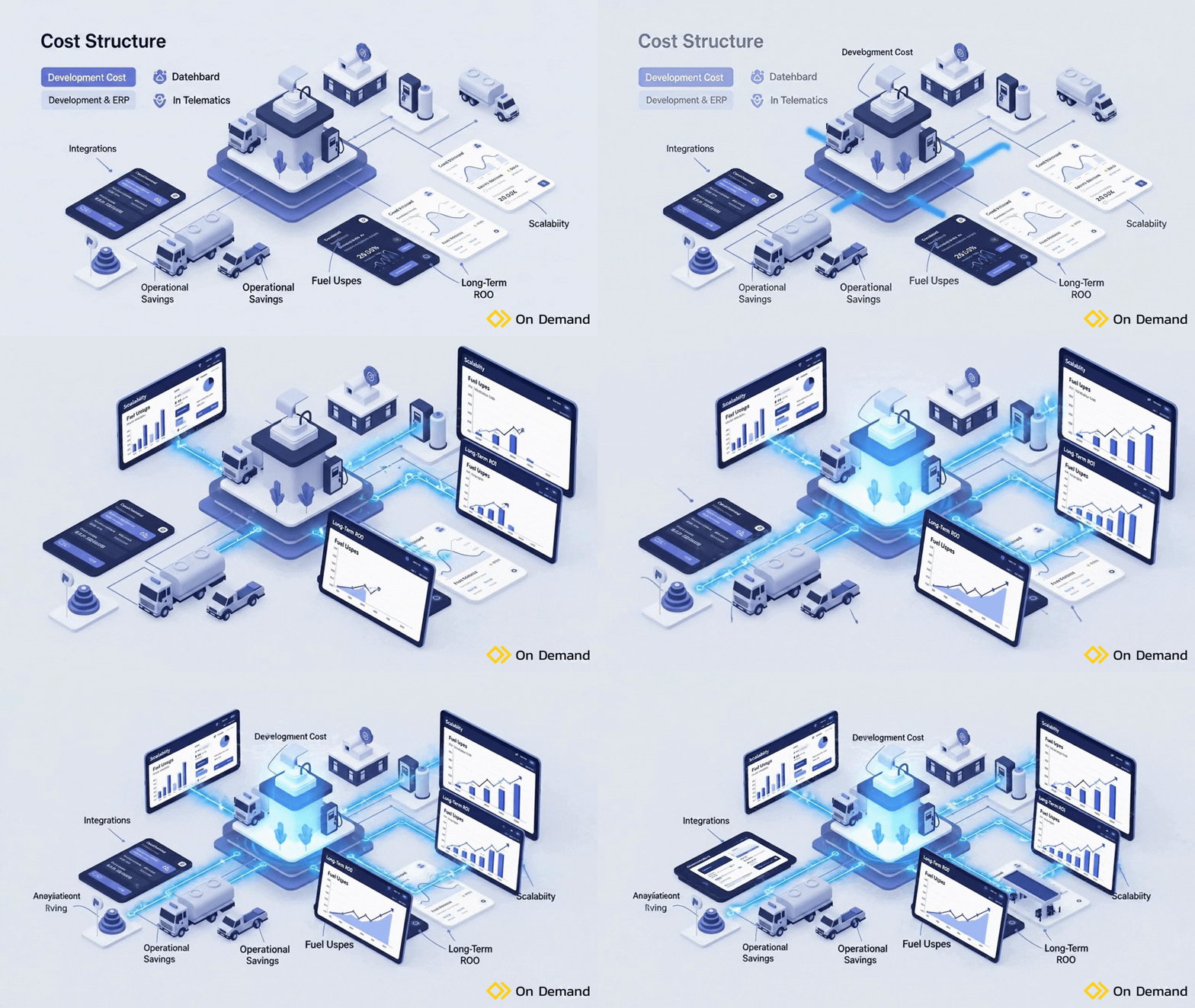
Understanding fuel delivery app cost early helps fleet operators set the right expectations and make informed decisions. Costs can vary significantly depending on the platform’s depth, scale, and long-term goals.
Here is how fleets should think about fuel delivery app cost in practical terms:
Typical cost ranges
- Entry-level fuel delivery apps with basic ordering and tracking features fall on the lower end.
- Mid-level platforms include fleet scheduling, reporting, and limited integrations.
- Enterprise-grade platforms with compliance, analytics, and multi-system integrations sit at the higher end of the range.
Key factors that impact fuel delivery app cost
- Feature complexity, such as bulk fuel orders, multi-depot management, and role-based access.
- Compliance and safety requirements, including digital logs, audit trails, and regulatory reporting.
- Integration scope with ERP, telematics, accounting, and CRM systems.
- Scalability and performance needs, especially for fleets operating across regions or time zones.
Why fleet fuel apps cost more than basic apps
- Fleet platforms are built for continuous operations with minimal downtime.
- They must handle large data volumes and concurrent users without performance loss.
- Security, monitoring, and long-term maintenance add to the overall development effort.
From a business perspective, the fuel delivery app cost should be evaluated as a long-term operational investment. A reliable platform reduces manual work, improves fuel control, and delivers insights that help fleets cut ongoing costs. Over time, these efficiencies often justify the higher upfront spend.
White-Label vs Custom Fuel Delivery App Development
When fleets decide to invest in fuel delivery app development, one big question always comes up early: Should we go with a white-label solution or build a custom platform from scratch? There is no universal right answer, but there is a clear practical difference between the two approaches.
A white-label fuel delivery platform is a pre-built system that can be branded and configured to match fleet operations. Custom development, typically handled by a specialized custom fuel delivery app development company, means building everything from the ground up based on specific requirements. Both serve different business stages and priorities.
Here is a simple comparison to make the distinction clearer:
| Factor | White-Label Fuel Delivery Platform | Custom Fuel Delivery App Development |
|---|---|---|
| Speed | Fast launch within weeks | Longer timelines, often several months |
| Cost | Lower upfront investment | Higher initial development cost |
| Scalability | Scales well within platform limits | Fully scalable by design |
| Ownership | Platform logic shared, brand owned | Full code and logic ownership |
| Long-term flexibility | Configurable but within the framework | Unlimited customization over time |
From a real-world perspective, white-label platforms are ideal when speed and operational readiness matter most. Fleets can launch quickly, validate workflows, and start seeing operational benefits without waiting for a long build cycle. This is especially useful for operators expanding into new regions or testing fuel delivery as a service.
Custom fuel delivery app development becomes more relevant when fleets have highly specific processes, unique compliance needs, or long-term product roadmaps. While the initial cost and timeline are higher, full ownership allows deeper customization and future innovation without platform constraints.
In practice, many fleets start with a white-label fuel delivery platform and gradually evolve toward more customized solutions as operations mature. The smartest choice depends on current scale, internal tech capability, and how central fuel operations are to long-term business strategy.
Common Mistakes Fleet Operators Should Avoid
While fuel delivery platforms promise efficiency and control, many fleet operators run into avoidable problems during implementation. These mistakes are rarely discussed in competitor blogs, yet they often determine whether a fuel delivery initiative succeeds or struggles.
One common mistake is choosing app-first platforms that focus heavily on a polished mobile interface but lack operational depth. A clean app looks impressive, but without strong backend workflows, dispatch logic, and reporting, fleets quickly hit limitations. Fuel delivery app development should always prioritize operational reliability before user interface design.
Another frequent issue is ignoring compliance and safety requirements. Fuel handling is regulated, and skipping digital logs, safety checklists, or audit trails can expose fleets to regulatory risk. Operators sometimes realize too late that their platform cannot support inspections or reporting when required.
Poor integration planning is also a major setback. Fuel delivery does not operate in isolation. When platforms fail to integrate with telematics, ERP, or accounting systems, teams fall back on manual data entry. This increases errors, slows operations, and defeats the purpose of automation.
Many fleets also make the mistake of underestimating scale. A platform that works for ten vehicles may not perform well for a hundred. As fleets grow, transaction volume, user access, and data complexity increase rapidly. Systems not designed for scale often require costly rework later.
In real deployments, the most successful fleets think beyond launch. They choose platforms built for compliance, integration, and growth from day one. Avoiding these common mistakes saves time, money, and operational headaches in the long run.
To see how these challenges are addressed in real-world fleet operations, read more in this fuel delivery platform case study, which shows how the right architecture, integrations, and compliance-first approach helped a fleet scale without operational disruptions.
What Makes Fuel Delivery App Development Enterprise-Ready
Enterprise fleets do not look at fuel delivery software as a short-term tool. They treat it as core operational infrastructure. Enterprise-ready fuel delivery app development prioritizes stability, control, and long-term growth over rapid launches.
Here are the key elements that define an enterprise-ready platform:
Robust architecture
Enterprise platforms leverage cross-platform fuel delivery app development with a modular architecture where dispatch, compliance, billing, and analytics function independently. This reduces system risk and allows updates or expansions without disrupting daily operations.
Strong security controls
Fuel and fleet data are highly sensitive. Enterprise systems use role-based access, encrypted data storage, and detailed activity logs. This ensures only authorized users can access or modify critical information.
Proven scalability
Enterprise-ready platforms are designed to handle growth in vehicles, depots, users, and transaction volumes. Whether a fleet operates in one city or across regions, the system must perform consistently without slowdowns.
Clear data ownership
Large fleets require full ownership of operational and fuel data. Enterprise platforms ensure data remains accessible, exportable, and usable for reporting, compliance, and future system migrations.
Long-term extensibility
Enterprise needs to evolve. A future-ready fuel delivery platform supports new integrations, custom workflows, and additional modules without rebuilding the system. Platforms developed by providers like On-Demand App focus on long-term flexibility rather than fixed feature sets.
In real-world operations, these capabilities make the difference between software that supports growth and software that becomes a bottleneck.
How an On-Demand App Supports Fleet-Focused Fuel Delivery App Development
Fleet operators rarely struggle with the idea of fuel delivery. The real challenge is finding a solution that fits their operations today and still works five years down the line. That is where On-Demand App positions its approach to fuel delivery app development.
For fleets that want to move fast, the On-Demand App offers white-label fuel delivery platforms that are ready to deploy and easy to brand. These platforms already support essential fleet workflows such as bulk fuel ordering, dispatch coordination, delivery tracking, and compliance logging. For many operators in the logistics and transport industry software solutions space, this approach enables faster rollout without sacrificing operational control.
For more complex environments, custom development becomes the better path. On-Demand App works closely with fleet teams to design systems around real operational processes, whether that means multi-depot scheduling, advanced approval flows, or deep analytics tied to fuel usage.
All solutions are built as enterprise-grade systems, with a strong focus on reliability, security, scalability, and full data ownership. Integration with existing fleet tools such as telematics, ERP, and accounting systems ensures fuel operations never sit in isolation.
What truly sets the approach apart is long-term support. As fleets grow and regulations evolve, the platform grows with them. This makes fuel delivery software a dependable foundation rather than a temporary fix.
Conclusion
Fuel delivery app development is no longer a tactical upgrade. For fleet operators, it is a strategic decision that directly impacts uptime, compliance, and long-term operational efficiency. As fleets grow and fuel operations become more complex, expectations naturally go far beyond basic features or simple mobile apps.
Modern fleets look for platforms that deliver reliability, structured workflows, regulatory readiness, and clear visibility into fuel usage and costs. The right fuel delivery platform supports daily operations while also adapting to future scale, integrations, and changing regulations.
Ultimately, platform choice defines long-term success. Fleets that invest in enterprise-ready systems gain control, predictability, and data-driven insights that compound over time. Those who choose short-term solutions often face costly limitations later. A well-planned fuel delivery app becomes not just a tool, but a foundation for smarter fleet operations.
FAQs:
1. What is a fuel delivery app, and how does it work for fleets?
A fuel delivery app is a digital platform that allows fleets to schedule, manage, and track fuel deliveries to their vehicles or depots. For fleets, the system goes beyond ordering fuel. It includes dispatch planning, bulk scheduling, real-time delivery tracking, digital proof of delivery, compliance logs, and reporting. A fleet-focused fuel delivery platform acts as part of a larger fleet fuel management system rather than a simple mobile app.
2. How much does it cost to develop a fuel delivery app for fleet operations?
The fuel delivery app cost depends on scope and scale. Basic platforms with standard workflows cost less, while enterprise-grade systems with compliance, analytics, integrations, and scalability require higher investment. Fleet-focused apps typically cost more than consumer apps because they must support bulk operations, security, audit readiness, and long-term scalability.
3. Is the fuel delivery business profitable for fleet operators?
Fuel delivery can be highly profitable for fleet operators when managed correctly. Profitability comes from reduced vehicle downtime, better fuel price control, optimized delivery routes, and lower operational inefficiencies. Fleets using a centralized fuel delivery platform gain visibility into fuel consumption and costs, which directly improves margins over time.
4. Which features matter most in a fleet-grade fuel delivery app?
Fleet-grade fuel delivery apps prioritize reliability, bulk scheduling, compliance tracking, real-time visibility, and integration with telematics and accounting systems. Unlike consumer apps, fleet platforms focus on operational control, audit readiness, and long-term scalability rather than quick ordering alone.