
Posted At: Nov 20, 2025 - 510 Views
10 minutes to read
Quick Summary
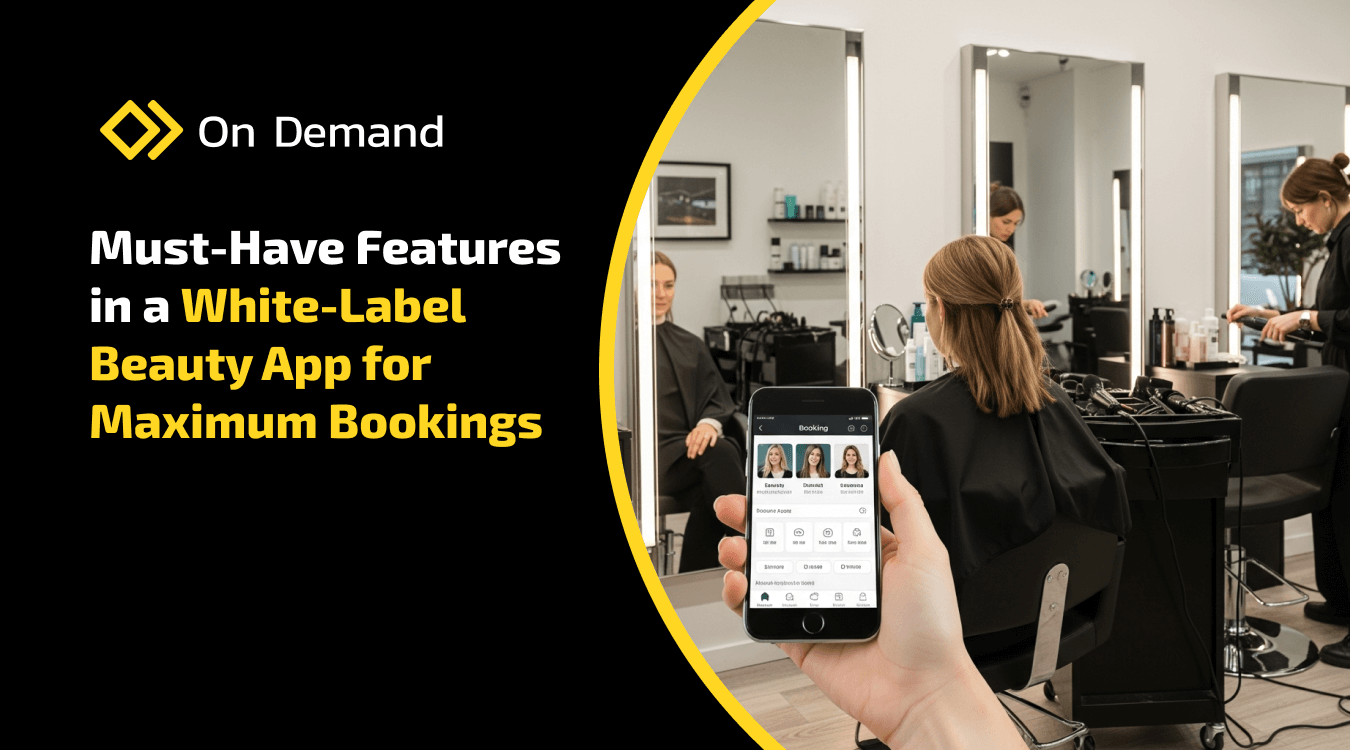
The beauty industry is rapidly going digital, and a white-label salon app is the quickest way for salon owners to stay competitive in this mobile-first era. These ready-to-launch solutions offer smart booking automation, personalized experiences, and powerful management tools. without the high cost of custom development. With features like real-time scheduling, loyalty programs, AI-driven recommendations, and secure payments, salons can boost bookings, retain clients, and scale effortlessly. This guide explores the must-have features that turn casual users into loyal customers while empowering teams to deliver exceptional service.
Introduction: The Beauty Industry Is Going Digital
The beauty and wellness industry has rapidly gone mobile. What once relied on walk-ins and phone bookings has evolved into a digital-first experience where customers browse, book, and discover salons instantly from their smartphones.
For salon owners and beauty entrepreneurs, this shift brings both opportunity and pressure. While traditional methods can’t match mobile convenience, building a custom app is often expensive and time-consuming.
That’s where White-Label Salon Booking App Development comes in, offering ready-to-launch, fully customizable platforms that enable salons to create branded apps in weeks instead of months. These solutions combine affordability with speed, helping beauty businesses deliver seamless customer experiences without the heavy cost of starting from scratch.
In this blog, we’ll explore the essential features of a successful white label beauty app, the tools that drive more bookings, boost client loyalty, and accelerate business growth in today’s competitive market.
Industry Snapshot: The Numbers Behind the Beauty App Revolution
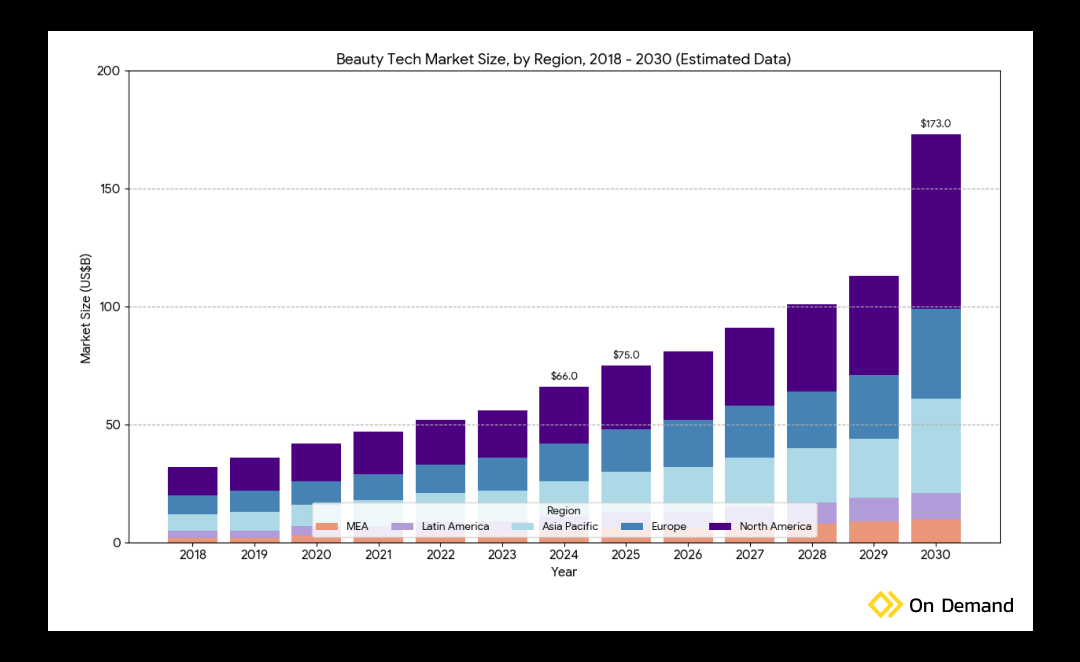
The statistics paint a compelling picture of why digital transformation isn't optional—it's essential for survival and growth in the beauty industry. The global beauty and personal care market is experiencing unprecedented digital adoption, with mobile applications becoming the primary channel for service discovery and booking.
According to recent industry reports, the global beauty app market is valued at over $89 billion and is projected to grow at a compound annual growth rate (CAGR) of 18.2% through 2030. This explosive growth is driven primarily by changing consumer behaviors, particularly among millennials and Gen Z customers who prefer mobile-first experiences.
Mobile booking behavior is particularly revealing. Studies show that 67% of beauty service customers now prefer booking appointments through mobile apps rather than phone calls or in-person visits. More significantly, salons that implement digital booking systems report an average 35% increase in appointment bookings within the first six months of adoption.
The white label salon app segment specifically has seen remarkable growth, with over 42% of independent salons and small spa chains now utilizing white-label technology to compete with larger franchises. This adoption rate has doubled in just three years, highlighting how cost-effective, scalable solutions are democratizing access to enterprise-level technology.
Perhaps most compelling is the revenue impact: beauty businesses using comprehensive booking and management apps report 28% higher customer retention rates and 40% more repeat bookings compared to those relying solely on traditional methods. The data is clear—digital transformation through mobile applications isn't just about convenience; it's about sustainable business growth and competitive advantage. (source:- grandviewresearch.com)
Why White-Label Beauty Apps Are the Future of Salon Bookings
The choice between building a custom application from scratch and adopting a white-label solution is one of the most critical decisions beauty business owners face. While custom development offers complete control, the reality is that most salon owners need to balance functionality with practicality—and that's where white-label platforms excel.
White-label beauty apps provide a powerful middle ground: professional-grade technology with full branding customization at a fraction of the cost. Unlike generic booking widgets or third-party marketplace platforms where your brand gets lost among competitors, white-label solutions give you a dedicated app with your logo, color scheme, and unique brand identity front and center.
The cost-efficiency advantage is substantial. Custom app development typically requires an investment of ,000 to ,000 and takes 6-12 months to complete. In contrast, white-label solutions can be launched for ,000 to ,000 with deployment timelines of just 4-8 weeks. This dramatic difference in both cost and time-to-market means salon owners can start capturing the benefits of digital booking immediately rather than waiting months while competitors gain market share.
Scalability is another crucial advantage. As your business grows—whether you're adding new locations, expanding service offerings, or increasing your customer base—white-label platforms are designed to scale seamlessly. You're not locked into rigid infrastructure; instead, you have a flexible architecture that adapts to your evolving needs.
The difference between custom-built and white-label beauty apps ultimately comes down to focus. Custom development makes sense for large enterprises with unique requirements and substantial budgets. For the vast majority of salon owners, spas, and beauty entrepreneurs, white-label solutions deliver everything needed to compete effectively: lower development costs, faster launch timelines, and higher brand recall—all while maintaining the professional polish and functionality that today's customers expect.
Read more: See How Salons Are Growing with White-Label Apps →
How a White-Label Beauty App Drives More Bookings
The true measure of any beauty app's success isn't just its features—it's the tangible impact on booking rates and revenue. Let's explore the specific functionalities that directly convert app downloads into confirmed appointments and loyal customers.
1. Seamless User Experience (UX)
First impressions matter immensely in the mobile app world. If a potential customer downloads your app and encounters a complicated registration process or confusing navigation, they'll likely abandon it before booking a single appointment. Seamless user experience starts with simple onboarding that respects users' time and minimizes friction.
Social login options—allowing customers to sign in using their Google, Facebook, or Apple accounts—eliminate the tedious form-filling process. One-tap booking functionality means users can secure their preferred time slot with minimal clicks. The best salon booking app features prioritize intuitive navigation, with clear visual hierarchies that guide users naturally from browsing services to confirming appointments.
Every additional step in the booking process represents a potential drop-off point. By designing interfaces with minimal steps and maximum clarity, white-label beauty apps can achieve conversion rates 60% higher than traditional booking methods. The goal is simple: make it easier to book an appointment than to hesitate.
2. Real-Time Appointment Scheduling
Nothing frustrates customers more than booking an appointment only to receive a call later saying that the time slot isn't actually available. Real-time appointment scheduling eliminates this problem by connecting customers directly to your salon's live availability calendar.
Smart calendars automatically track beautician schedules, blocking off times when specific stylists are booked and highlighting available slots. This salon management app functionality prevents double-bookings and reduces the administrative burden on front desk staff. Customers can see exactly when their preferred stylist is available and secure that slot instantly.
Automated reminders are equally crucial for reducing no-shows, which cost the beauty industry billions annually. SMS and push notification reminders sent 24 hours and 2 hours before appointments have been shown to reduce no-show rates by up to 40%. This automated communication keeps appointments top-of-mind without requiring manual calls from salon staff.
3. Smart Search & Filters
As your service menu grows and you add more stylists with different specializations, customers need efficient ways to find exactly what they're looking for. Smart search and filter functionality transforms browsing from overwhelming to effortless.
Category filters allow customers to quickly narrow options by service type—haircuts, coloring, facials, manicures, massage, and more. Price range filters help budget-conscious customers find services within their comfort zone, while location-based search enables multi-location salons to direct customers to their nearest branch.
Rating and review filters leverage social proof, allowing customers to choose top-rated stylists with confidence. Perhaps most powerfully, geo-based discovery features can suggest nearby salon locations to users even if they haven't specifically searched for your business—expanding your discovery potential and capturing walk-in-equivalent traffic in the digital space.
4. Personalized Recommendations & Offers
Generic marketing is increasingly ineffective in today's personalized digital landscape. Customers expect experiences tailored to their preferences, and artificial intelligence makes this level of personalization achievable even for small businesses.
AI and machine learning algorithms analyze customer booking history to predict services they're likely to want next. If a customer regularly books haircuts every six weeks, the app can proactively suggest booking their next appointment. If someone has consistently booked hair services but never tried your spa treatments, targeted promotions can introduce them to complementary offerings.
Smart promotions boost re-bookings by delivering the right offer at the right time. Birthday discounts, loyalty milestones, and seasonal treatment suggestions feel personal rather than spammy, significantly increasing conversion rates. Data shows that personalized recommendations generate booking rates 4-5 times higher than generic promotional messages.
5. Multi-Payment Gateway Integration
Cart abandonment in the beauty industry often happens at the payment stage when customers encounter limited payment options or complicated checkout processes. Multi-payment gateway integration solves this by offering maximum flexibility and convenience.
Secure payment processing that accepts credit cards, debit cards, UPI, digital wallets like Apple Pay and Google Pay, and even buy-now-pay-later options ensures that no customer is turned away due to payment limitations. One-click checkout functionality, where payment information is securely stored for repeat customers, dramatically reduces booking abandonment.
The correlation is clear: when customers can pay using their preferred method without friction, booking completion rates increase by 35-50%. This feature isn't just about convenience—it's about removing the final barrier between browsing and confirmed revenue.
Must-Have Features That Boost Customer Engagement
Converting a first-time booking into a loyal, repeat customer requires ongoing engagement. These features transform your app from a simple booking tool into a relationship-building platform.
1. Push Notifications & In-App Reminders
Strategic communication keeps your salon top-of-mind without being intrusive. Push notifications serve multiple purposes: appointment reminders reduce no-shows, promotional alerts drive additional bookings during slow periods, and event announcements (like the launch of new services or seasonal treatments) create excitement and urgency.
The key is balance and personalization. Customers who receive 2-3 relevant notifications per week engage positively, while excessive messaging leads to app uninstalls. Smart notification strategies segment audiences based on behavior—active customers might receive new service announcements, while lapsed customers get re-engagement offers.
2. Loyalty & Referral Programs
Acquiring new customers costs 5-7 times more than retaining existing ones, making loyalty programs one of the highest-ROI features in any beauty app. Points-based systems that reward repeat bookings, referral incentives that turn satisfied customers into brand advocates, and VIP tiers that recognize your best customers all drive long-term engagement.
Referral programs are particularly powerful in the beauty industry, where personal recommendations carry enormous weight. When customers can easily share discount codes with friends directly from the app—and both parties receive benefits—you create a viral growth mechanism that expands your customer base organically.
3. Reviews, Ratings & Social Proof
Trust is paramount when customers are choosing someone to cut their hair or perform skincare treatments. Reviews and ratings provide the social proof that converts hesitant browsers into confident bookers. Featuring stylist profiles with verified customer reviews, overall ratings, before-and-after photo galleries, and specialist certifications builds credibility.
Apps that prominently display ratings see 30% higher conversion rates on service pages. Importantly, review features should make it easy for satisfied customers to leave feedback immediately after appointments—capturing testimonials when enthusiasm is highest.
4. Real-Time Chat & Support
Questions and concerns shouldn't require customers to leave your app and make a phone call. Integrated real-time chat functionality allows customers to communicate directly with salon staff or specific beauticians, asking about service details, discussing specific needs, or addressing concerns before booking.
This feature reduces booking hesitation—when questions are answered instantly, customers proceed to confirmation rather than abandoning the process to "think about it." Additionally, chat history provides valuable context for stylists, helping them prepare for appointments and deliver more personalized service.
5. Multi-Language & Multi-Location Support
Geographic and demographic expansion requires technological support. Multi-language capabilities allow businesses in diverse communities to serve non-English-speaking customers comfortably, significantly expanding potential market reach.
For businesses operating multiple locations, robust multi-location support ensures customers can easily book at their preferred branch, see location-specific pricing and availability, and receive relevant local promotions. This salon management app functionality is essential for franchises and growing salon chains, maintaining consistent brand experiences across locations.
6. Waitlist Management for High-Demand Services
Popular stylists and peak time slots often fill up quickly, which can frustrate customers who miss out. A waitlist management feature solves this problem elegantly. When a customer's preferred time slot is unavailable, they can add themselves to a waitlist with a single tap.
If another client cancels or reschedules, the app automatically notifies waitlisted customers via push notification, giving them priority to claim the newly available slot. This feature not only improves customer satisfaction but also helps salons maintain maximum schedule utilization by filling cancellations immediately rather than leaving gaps in the calendar.
Read more: Explore how mobile app features drive engagement in beauty and wellness →
White-Label Admin Dashboard: Powering Smart Management
While customer-facing features drive bookings, backend functionality determines operational efficiency and business intelligence. A comprehensive admin dashboard transforms how salon owners manage their businesses.
Key Admin Features
Centralized Booking Control Panel: View all appointments across stylists and locations from a single interface. Manually adjust bookings when needed, identify scheduling conflicts, and optimize resource allocation in real-time.
Staff Management and Commission Setup: Manage stylist profiles, schedules, and service assignments efficiently. Configure commission structures automatically so staff compensation is calculated accurately based on services performed, eliminating manual calculations and payment disputes.
Dynamic Pricing and Offers Management: Adjust service pricing seasonally, create time-based promotions (like weekday discounts to fill slow periods), and launch limited-time offers—all without requiring developer intervention. This agility allows salons to respond quickly to market conditions and competitive pressures.
Analytics & KPI Dashboards: Track critical business metrics including total bookings, revenue trends, customer retention rates, popular services, peak booking times, and stylist performance. Data visualization transforms numbers into actionable insights, helping owners make informed strategic decisions.
Custom Branding Settings: Maintain complete control over your app's appearance with easy-to-use tools for updating logos, color schemes, promotional banners, and featured services. Your brand identity remains consistent and fresh without requiring technical expertise.
CRM and Marketing Integrations: Connect your salon management software features with email marketing platforms, SMS services, and customer relationship management tools. This integration enables sophisticated marketing automation while keeping customer data synchronized across platforms.
On-Demand App's white-label backend gives full operational visibility and flexibility to scale effortlessly, ensuring salon owners spend less time on administrative tasks and more time focusing on service quality and business growth.
Advanced Features to Stay Ahead in 2025 and Beyond
As technology evolves, forward-thinking beauty apps are incorporating cutting-edge features that deliver competitive advantages and elevated customer experiences.
1. AI Beauty Consultation & AR Try-On
Augmented reality is revolutionizing how customers explore beauty services before committing. Virtual makeup try-on allows customers to preview different lipstick shades, eyeshadow colors, and makeup styles using their phone's camera. Hair color simulators let customers see how they'd look as a blonde, brunette, or with bold fashion colors before booking a potentially expensive coloring appointment.
AI-powered beauty consultation tools analyze facial features, skin tone, and personal style preferences to recommend services and products personalized to each customer. This technology reduces booking anxiety—customers feel confident their choice will deliver desired results, significantly increasing conversion rates for higher-ticket services.
2. Virtual Consultations for Personalized Advice
Sometimes customers need expert guidance before they're ready to book. Virtual consultation features allow clients to schedule brief video calls with stylists or beauty experts directly through the app.
During these consultations, professionals can:
- Assess hair or skin conditions remotely
- Recommend appropriate treatments and products
- Provide realistic expectations about results and timelines
- Answer specific questions about services, aftercare, or pricing
These consultations build trust and confidence while also serving as powerful upsell opportunities. When customers receive personalized expert advice, they're far more likely to book premium services.
3. Predictive Scheduling & Smart Recommendations
Machine learning algorithms identify patterns in booking behavior that humans might miss. If data shows a customer books haircuts every 42 days on average, the app can proactively suggest booking their next appointment at the optimal time. If certain services are frequently booked together (like haircuts and deep conditioning treatments), the app can recommend complementary services during the booking process.
Predictive scheduling extends to business operations as well—forecasting busy periods so salons can optimize staffing levels, identifying services with declining demand before revenue impacts become severe, and predicting which customers are at risk of churning so retention efforts can be targeted effectively.
4. Dynamic Promotions Based on Demand
Revenue optimization requires flexibility. Dynamic promotion engines automatically adjust offers based on real-time demand patterns. During slow weekday mornings, the app might generate flash discounts to fill empty appointment slots. Before holiday weekends when demand is naturally high, promotional intensity can be reduced to maximize revenue.
This automated approach to pricing and promotions ensures salons capture maximum revenue during peak times while maintaining utilization during slower periods—a sophisticated strategy previously available only to large enterprises with dedicated revenue management teams.
5. Geo-Tracking for Home Services
As the on-demand beauty market expands, with stylists providing services at customers' homes or offices, real-time location tracking becomes essential. Customers can see exactly when their beautician will arrive, similar to ride-sharing apps. This transparency reduces anxiety about appointment timing and demonstrates professionalism.
For businesses managing mobile beauticians, geo-tracking optimizes routing between appointments, verifies service completion, and ensures staff safety—critical operational benefits as Salon Booking App Development increasingly accommodates mobile service models.
6. Marketing Automation Tools
Sophisticated marketing shouldn't require a dedicated marketing team. Built-in automation tools segment customers based on booking history, preferences, and engagement levels, then deliver targeted campaigns automatically. New customers might receive onboarding sequences introducing your service menu, while VIP customers get exclusive early access to new treatments.
Automated win-back campaigns re-engage customers who haven't booked in 90 days with personalized incentives. Birthday and anniversary campaigns create emotional connections while driving bookings. These automated touchpoints maintain consistent communication without demanding constant manual effort from salon staff.
Deeper Integration Capabilities: Connecting Your Entire Tech Stack
A powerful white-label beauty app shouldn't exist in isolation—it should seamlessly connect with all the other tools and systems your salon uses daily. Comprehensive integration capabilities multiply your app's value and eliminate redundant data entry.
Accounting Software Integration
Manual financial tracking is tedious and error-prone. Integration with popular accounting platforms like QuickBooks, Xero, or FreshBooks automatically syncs:
- Daily sales revenue from services and retail
- Payment processing fees and transaction details
- Tax calculations and reporting data
- Refunds and adjustment records
This automation saves hours of bookkeeping time each month while ensuring your financial records are accurate and up-to-date. At tax time, everything you need is already organized and reconciled.
POS System Synchronization
For salons that serve both walk-in customers and app users, your point-of-sale system and mobile app need to communicate seamlessly. Integrated POS systems ensure:
- In-person purchases update customer loyalty points visible in the app
- Retail inventory sold at the front desk automatically updates app stock levels
- Gift cards purchased in-salon can be redeemed through the app
- Customer profiles remain consistent whether they book digitally or walk in
This unified experience eliminates customer frustration and provides complete visibility into all revenue streams regardless of transaction channel.
Social Media Platform Integration
Your customers spend hours daily on Instagram, Facebook, and TikTok. Why make them leave those platforms to book with you? Social media integrations enable:
- Direct Booking from Instagram: Add "Book Now" buttons to your Instagram business profile that deep-link directly into your app's booking flow.
- Facebook Messenger Integration: Allow customers to initiate bookings through Facebook Messenger conversations.
- Social Login Options: Enable one-tap signup using existing social media accounts.
- User-Generated Content Sharing: Make it easy for customers to share their results on social media directly from your app, tagging your business automatically.
These integrations reduce friction in the customer journey—when booking is possible without leaving their favorite apps, conversion rates increase dramatically.
Email Marketing Platform Connections
Coordinate your app's push notifications with your email marketing strategy by connecting platforms like Mailchimp, Constant Contact, or Klaviyo. This integration allows you to:
- Segment email lists based on app usage behavior
- Avoid sending duplicate messages through multiple channels
- Coordinate multi-channel campaigns that use both email and push notifications strategically
- Track which communication channels drive the highest engagement for different customer segments
See How Clarro Helps Salons Engage and Retain Clients Smarter — Clarro's salon management platform showcases how integrated booking systems with mobile apps, social media connectivity, and marketing automation create unified customer engagement across all channels, maximizing retention and revenue.
How These Features Directly Impact Bookings & Revenue
Understanding the business impact of technology investments is crucial for making informed decisions. Here's how specific features translate into measurable business results:
| Feature | Booking Impact | Retention Impact | Revenue Impact |
|---|---|---|---|
| Smart Scheduling | +25% more completed bookings | 40% reduction in no-shows | Efficient resource utilization |
| Loyalty Programs | +35% repeat booking rate | Higher brand stickiness | 50% increase in lifetime value |
| Push Notifications | 20% increase in timely engagement | Improved customer recall | +30% re-booking rate |
| Multi-Payment Options | 45% higher checkout completion | Reduced friction | Captured previously lost sales |
| Personalized Offers | 4-5x higher conversion rates | Increased perceived value | Optimized promotion ROI |
| AI Recommendations | +22% service upsells | Enhanced experience satisfaction | Higher average transaction value |
The connection is clear: technology enables automation, automation enables personalization, and personalization drives higher bookings. Each feature contributes to a virtuous cycle where improved customer experience leads to increased loyalty, which generates more bookings and referrals, which in turn provides more data to further refine personalization.
Salons implementing comprehensive white-label beauty apps report average revenue increases of 40-65% within the first year of adoption. This growth comes from multiple sources: reduced no-shows, higher booking frequency, increased service upsells, expanded customer base through referrals, and improved operational efficiency that allows stylists to serve more clients daily.
Implementation Guide: How to Build Your White-Label Beauty App
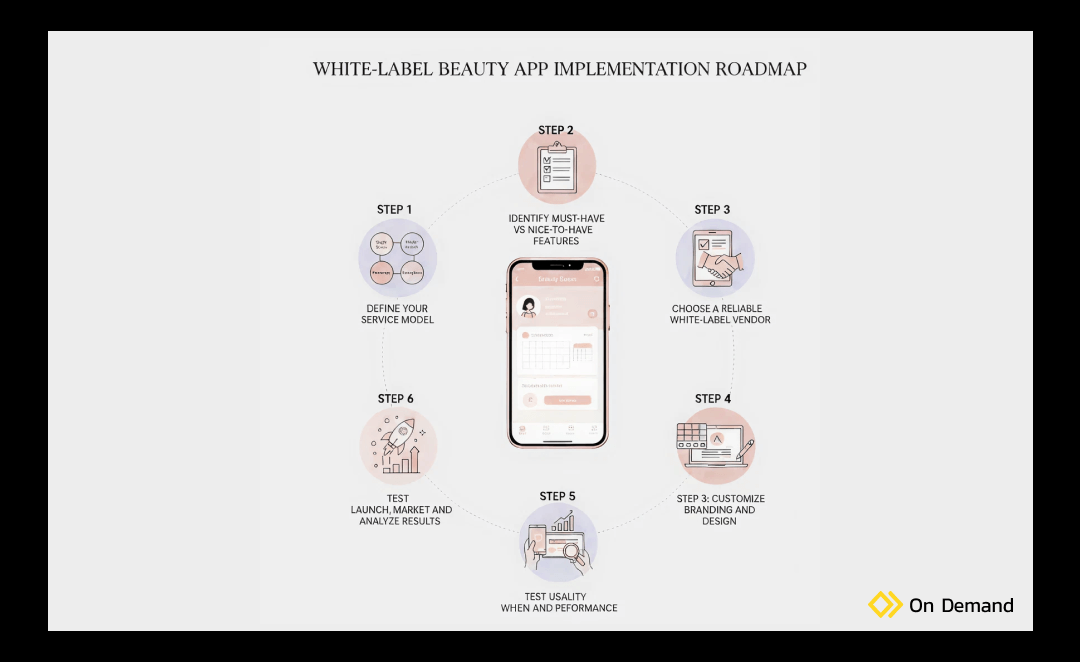
Transforming your salon with a white-label beauty app requires strategic planning and systematic execution. Here's a step-by-step roadmap for success:
Step 1: Define Your Service Model
Are you a single-location boutique salon, a multi-location spa chain, a platform connecting freelance beauticians with clients, or a marketplace featuring multiple independent salons? Your service model determines which features are essential versus optional. Home service providers need geo-tracking; marketplaces need multi-vendor management tools; single-location salons prioritize robust scheduling and loyalty features.
Step 2: Identify Must-Have vs. Nice-to-Have Features
Start with core functionality—booking, payment processing, customer profiles, and basic admin tools. These are non-negotiable. Then identify features that align with your specific business goals. If customer retention is your priority, invest in sophisticated loyalty and personalization features. If you're targeting premium clients, prioritize AR try-on and AI consultation tools.
Step 3: Choose a Reliable White-Label Vendor
Not all white-label platforms are created equal. Evaluate vendors based on technology stack (native apps perform better than hybrid solutions), customization flexibility, ongoing support quality, scalability for growth, and security compliance. Look for providers with proven experience specifically in the beauty industry—they'll understand your unique needs better than generic app developers.
Step 4: Customize Branding and Design
Your app should feel like a natural extension of your existing brand identity. Work with designers to ensure colors, fonts, imagery style, and user interface elements align perfectly with your salon's aesthetic. Consistency across your physical location, website, social media, and mobile app reinforces brand recognition and professionalism.
Step 5: Test Usability and Performance
Before launching publicly, conduct thorough testing with real users. Have staff members and select loyal customers try the complete booking process, identifying any confusion points or technical issues. Test on multiple devices and operating systems to ensure consistent performance. Load testing ensures the app can handle peak booking periods without crashes or slowdowns.
Step 6: Launch, Market, and Analyze Results
Launch with a coordinated marketing campaign across all channels—social media, email, in-salon signage, and website. Offer launch incentives like exclusive discounts for first-time app bookers. Most importantly, continuously monitor analytics after launch. Track which features are most used, where customers drop off in the booking process, and how app users differ from traditional bookers. Use these insights to optimize and refine your app continually.
Success Tips: Getting the Most Out of Your White-Label Beauty App
Launching your app is just the beginning. Maximizing its impact requires ongoing attention and strategic optimization:
Keep UI Fresh and Responsive: Technology and design trends evolve rapidly. Schedule quarterly UI reviews to ensure your app feels modern and intuitive. Small updates—like refreshed imagery, seasonal themes, or improved navigation—keep the experience engaging for repeat users.
Track Analytics to Optimize Service Timing: Your app generates valuable data about when customers prefer to book, which services are popular at specific times, and how far in advance bookings typically occur. Use these insights to optimize staffing schedules, adjust operating hours to match demand patterns, and time promotional campaigns for maximum impact.
Run Seasonal Offers Using Built-In Marketing Tools: Don't let marketing automation tools sit unused. Plan seasonal campaigns around holidays, back-to-school periods, wedding season, and other relevant occasions. The beauty industry has natural promotional cycles—your app makes it easy to capitalize on them.
Encourage User Feedback to Guide Updates: Your customers are your best product development team. Regularly solicit feedback through in-app surveys, monitor app store reviews attentively, and maintain open communication channels. When customers suggest valuable features, prioritize implementing them and acknowledge their contribution—this builds community and loyalty while ensuring your app evolves to meet real needs.
Conclusion: Turn Every Booking into a Growth Opportunity
The modern beauty industry demands more than great services and skilled stylists—it requires technological sophistication that meets customers where they are: on their mobile devices. A white label salon app isn't merely booking software; it's your growth engine, customer relationship platform, and competitive differentiator all in one.
The benefits of salon booking app adoption extend far beyond convenience. By implementing the must-have features outlined in this guide, from seamless user experiences and smart scheduling to AI-powered personalization and comprehensive analytics, salon owners transform every customer interaction into an opportunity for deeper engagement and increased revenue.
The beauty businesses thriving today aren't necessarily those with the best locations or lowest prices; they're those providing the smoothest, most personalized customer experiences. Technology makes this level of service scalable and sustainable, allowing even small independent salons to compete with large chains.
The link between smart technology and consistent revenue is undeniable. As the statistics show, salons implementing comprehensive booking and management apps see dramatic improvements in booking rates, customer retention, and overall profitability. The question isn't whether to adopt this technology—it's whether you can afford to fall behind competitors who already have.
Frequently Asked Questions (FAQs)
1. How is a white-label salon app different from a regular salon booking app?
A white-label salon app is a ready-made, customizable platform that lets you launch your own branded booking app quickly—unlike generic apps that host multiple salons. It gives your business full control over branding, user experience, and customer data.
2. Can small or single-location salons benefit from it?
Yes. White-label salon apps are scalable and ideal for small salons, too. They help manage appointments, cut no-shows, boost loyalty, and compete digitally—without high costs or complex tech setups.
3. What’s the cost and timeline for launching a white-label salon app?
Typically, White-Label Salon Booking App Development costs between K–K and takes 4–8 weeks, depending on features and customization—much faster and cheaper than custom-built apps.
4. Can I integrate my existing software or POS system?
Yes. Most white-label beauty apps integrate smoothly with your current POS, CRM, and salon management tools, ensuring real-time sync of bookings, payments, and customer data.
5. How do I choose the right white-label app partner?
Pick a developer with proven salon industry experience, strong UI/UX design, reliable support, and advanced features like loyalty rewards, AI personalization, and multi-location management.