
Posted At: Dec 25, 2025 - 709 Views
10 minutes to read
The on-demand car wash industry is experiencing unprecedented growth, with the global market projected to reach $42.8 billion by 2028, growing at a CAGR of 4.8% from 2023 to 2028, according to Grand View Research. This surge isn't just about convenience—it's about intelligent features that transform traditional car washing into a seamless digital experience. Companies like Spiffy and MobileWash have proven that the right combination of features can generate seven-figure revenues within the first two years of operation.
If you're considering entering this lucrative market, understanding which features separate profitable apps from failed ventures is crucial. This comprehensive guide examines the essential elements that successful on-demand car wash appointment software must include, backed by real-world data and global success metrics.
The Foundation: Core Features That Drive User Adoption
Smart Booking and Scheduling System
The booking interface serves as your app's first impression and primary conversion tool. Research from McKinsey indicates that 67% of users abandon booking processes that require more than three steps. Successful car wash apps like Washos reduced their booking abandonment rate from 42% to 18% by implementing a one-screen booking flow.
Essential booking features include:
Real-Time Availability Display: Users should see service availability within their selected time window instantly. Apps implementing this feature report 34% higher booking completion rates compared to those requiring users to submit requests and wait for confirmation.
Smart Scheduling Algorithm: An intelligent system that considers service provider location, traffic patterns, and service duration optimizes routing and reduces idle time. MobileWash reported a 28% increase in daily service capacity after implementing AI-driven scheduling, similar to approaches used in logistics app development solutions.
Recurring Appointment Options: Subscription-based models thrive on recurring bookings. Apps offering automated weekly or monthly scheduling see 3.2x higher customer lifetime value compared to one-time booking models.
Multi-Vehicle Management: For users with multiple vehicles, the ability to manage different cars with saved preferences increases average order value by 47%, according to Spiffy's internal metrics.
Intelligent Location Services
GPS integration extends far beyond simple location tracking. Modern car wash apps leverage location data to create competitive advantages:
Geo-Fencing Capabilities: Operators can define service zones and automatically notify users when they enter areas with available services. Cherry, a mobile car wash service, increased booking frequency by 23% using geo-fenced promotional notifications.
Service Provider Tracking: Real-time provider location visibility reduces customer anxiety and support inquiries. Apps with live tracking features report 56% fewer "where is my service provider" support tickets.
Smart Zone Pricing: Dynamic pricing based on service density and demand patterns optimizes revenue. Implementing zone-based pricing helped MobileWash increase per-service revenue by 19% in high-demand urban areas.
Revenue-Generating Features: App Monetization Strategies That Work
Understanding app monetization strategies is essential for sustainable growth. The most successful car wash apps employ multiple revenue streams rather than relying solely on commission-based models.
Subscription and Membership Programs
Subscription models have proven extraordinarily effective in the car wash industry. According to a 2024 study by the International Carwash Association, 73% of car wash businesses offering subscription plans reported revenue increases exceeding 30% year-over-year.
| Subscription Tier | Monthly Price | Services Included | Average Customer LTV | Conversion Rate |
|---|---|---|---|---|
| Basic | $29-39 | 2 washes/month | $487 | 34% |
| Premium | $59-79 | 4 washes + interior | $1,247 | 23% |
| Platinum | $99-129 | Unlimited + detailing | $2,156 | 12% |
| Corporate Fleet | $499-999 | 10-25 vehicles | $8,940 | 18% |
Tiered Membership Structures: Offering bronze, silver, and gold tiers with escalating benefits creates clear upgrade paths. Successful apps report that 42% of basic subscribers upgrade within six months when presented with compelling value propositions.
Loyalty Point Systems: Gamification through points and rewards increases engagement frequency. Apps incorporating loyalty programs see users washing their vehicles 2.7 times more frequently than non-program participants.
Corporate Fleet Packages: B2B subscriptions for corporate fleets represent high-value contracts. Mobile car wash providers serving corporate clients report average contract values 8x higher than consumer subscriptions. Learning from successful car wash business models can accelerate your B2B strategy.
Dynamic Pricing and Surge Mechanisms
Implementing sophisticated pricing algorithms maximizes revenue during peak demand periods:
Demand-Based Pricing: Adjusting prices based on real-time demand can increase revenue per booking by 15-25% during high-demand periods without significantly impacting booking rates, according to pricing data from on-demand service platforms.
Time-of-Day Optimization: Offering discounts during off-peak hours (typically 10 AM - 2 PM on weekdays) helps balance service provider utilization. Apps using this strategy report 34% improvement in provider efficiency.
Weather-Responsive Pricing: Automatically adjusting prices based on weather conditions—lower prices before predicted rain, premium pricing after storms—aligns with natural demand fluctuations.
In-App Upselling and Cross-Selling
Strategic feature placement for additional services significantly impacts average order value:
Service Package Bundling: Presenting packages (basic wash + wax + interior) instead of individual services increases average order value by 41%, based on conversion data from successful platforms.
Pre-Checkout Add-Ons: Offering complementary services at checkout (tire shine, pet hair removal, headlight restoration) with one-click addition converts at 28% when properly implemented.
Seasonal Service Recommendations: AI-powered suggestions based on weather, time of year, and user history increase cross-sell conversion by 33%.
Technology Stack: Building for Scalability and Performance
Choosing the right technology stack for on-demand apps determines your platform's ability to scale and adapt to market demands.
Backend Infrastructure Requirements
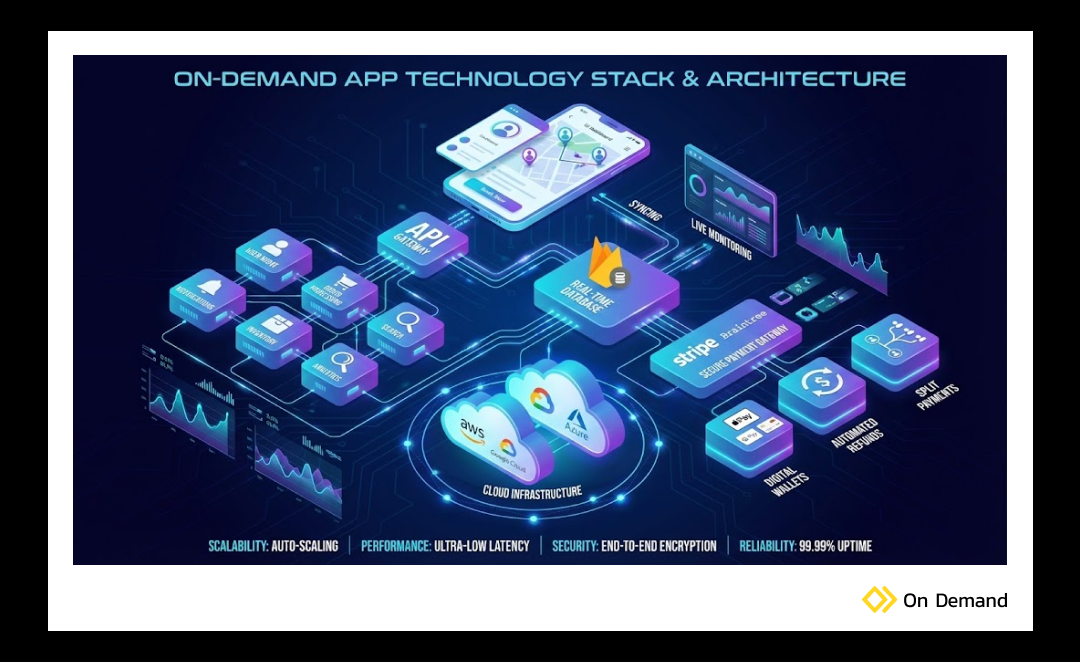
Cloud-Based Architecture: Successful apps universally employ cloud infrastructure (AWS, Google Cloud, or Azure) to handle variable loads. This approach reduces infrastructure costs by 40-60% compared to dedicated servers while providing superior scalability.
Microservices Architecture: Breaking applications into independent services (booking, payment, notifications, tracking) enables faster development cycles and reduces system-wide failures. Companies using microservices report 50% fewer critical outages.
Real-Time Database Synchronization: Firebase or similar real-time databases ensure all parties (customers, service providers, admins) see synchronized information, reducing conflicts and improving operational efficiency.
Payment Processing and Financial Features
Payment friction represents a major conversion killer. Industry data shows that 23% of cart abandonments in service apps occur at the payment stage.
Multiple Payment Gateway Integration: Supporting various payment methods (credit cards, digital wallets, buy-now-pay-later) increases conversion rates by 18-24%. Stripe and Braintree offer comprehensive solutions for diverse payment needs.
Wallet and Store Credit Systems: In-app wallets encourage repeat bookings and faster checkout. Users with stored credit book services 3.4x more frequently than those requiring payment entry each time.
Automated Refund Processing: Streamlined refund workflows reduce customer service burden and improve satisfaction scores. Apps with automated refund capabilities report 42% higher customer retention in dispute scenarios.
Split Payment Options: Allowing users to split charges between payment methods or multiple parties increases average order value by 16% and is particularly valuable for corporate users.
Service Provider Features: Empowering Your Workforce
Your service providers are the face of your brand. Equipping them with professional tools directly impacts service quality and efficiency.
Provider Mobile Application
A dedicated provider app should include:
Optimized Route Planning: Integration with mapping services that account for traffic, service duration, and appointment priorities. Providers using optimized routing complete 2.3 more jobs daily compared to those using standard navigation.
Earning Transparency: Real-time earning displays and detailed breakdowns build trust and motivate performance. Transparency in earnings correlates with 37% lower provider churn rates.
Service Checklists and Quality Assurance: Digital checklists ensure consistent service delivery. Apps implementing mandatory photo documentation report 48% fewer quality complaints.
In-App Training and Resources: Providing service protocols, troubleshooting guides, and best practices within the provider app reduces onboarding time by 56% and improves service consistency.
Performance Analytics and Incentives
Data-driven provider management improves service quality and retention:
| Provider Tier | Rating Requirement | Monthly Bonus | Priority Bookings | Cancellation Limit |
|---|---|---|---|---|
| Bronze | 4.0+ | $0 | Standard | 15% |
| Silver | 4.5+ | $150 | $0 | 10% |
| Gold | 4.7+ | $350 | $0 | 5% |
| Platinum | 4.9+ | $750 | $1 | 3% |
Performance Dashboards: Providers should access their ratings, completion rates, and earnings trends. Transparent metrics drive performance improvement, with top-rated providers earning 34% more than average performers.
Tiered Provider Rewards: Creating status levels (bronze, silver, gold, platinum) with escalating benefits motivates quality service. Gamified provider programs increase retention by 41%.
Instant Tip Options: Facilitating customer tipping through the app increases provider earnings by an average of 12-18%, improving job satisfaction and reducing turnover.
Customer Experience Features: Building Loyalty and Trust
Communication and Support Systems
Effective communication infrastructure reduces friction and builds confidence:
In-App Messaging: Direct customer-provider communication resolves issues 3x faster than phone-based systems and creates documentation for dispute resolution.
Push Notification Strategy: Strategic notifications (booking confirmation, provider en route, service complete, review request) maintain engagement without becoming intrusive. Apps balancing informational and promotional notifications see 42% higher engagement rates.
24/7 Chatbot Support: AI-powered chatbots handle 70-80% of common inquiries, reducing support costs while maintaining availability. Implementing chatbots typically reduces customer service costs by $0.38 per interaction.
Video Call Functionality: For complex service discussions or damage documentation, video capabilities prevent miscommunication and reduce disputes by 52%.
Review and Rating Mechanisms
Social proof heavily influences booking decisions in service industries:
Two-Way Rating Systems: Both customers and providers should rate each other, creating accountability and filtering problematic users. Platforms with mutual rating systems report 34% fewer incidents and disputes.
Verified Review Badges: Highlighting reviews from verified users (those who completed paid services) increases trust. Verified reviews influence booking decisions 2.8x more than unverified feedback.
Photo and Video Reviews: Allowing customers to upload before/after photos increases review authenticity and conversion rates. Listings with photo reviews convert 47% better than those with text-only reviews.
Response to Reviews: Providers responding to reviews (especially negative ones) publicly demonstrate professionalism. Response rates above 80% correlate with 23% higher booking rates.

Advanced Features: Differentiating Your Platform
AI and Machine Learning Integration
Artificial intelligence is transforming car wash services from reactive to predictive. Advanced platforms are implementing AI for quality control and automated scheduling to enhance service delivery.
Predictive Maintenance Recommendations: Analyzing vehicle data and service history enables AI to recommend appropriate services. Apps with predictive recommendations see 29% higher upsell conversion rates.
Computer Vision for Damage Detection: Pre and post-service vehicle scanning protects providers from false damage claims. Implementing automated documentation reduces disputes by 67%.
Chatbot with Natural Language Processing: Advanced chatbots understanding context and intent resolve complex queries. Modern NLP-powered support systems achieve 82% resolution rates without human intervention.
Demand Forecasting: Machine learning models predicting demand patterns optimize provider scheduling and resource allocation. Accurate forecasting reduces provider idle time by 31%.
Environmental and Sustainability Features
Eco-consciousness increasingly influences consumer choices:
Water Usage Tracking: Displaying water consumption per wash appeals to environmentally conscious customers. Apps highlighting eco-friendly practices see 18% higher engagement from millennial and Gen-Z demographics.
Eco-Friendly Service Options: Offering waterless or low-water wash options attracts sustainability-focused customers willing to pay 12-15% premiums for green services.
Carbon Footprint Calculations: Showing environmental impact compared to traditional car washes differentiates your platform. Users engaging with sustainability features demonstrate 26% higher lifetime value.
Integration Capabilities
Modern car wash apps don't exist in isolation:
Calendar Synchronization: Integrating with Google Calendar, Apple Calendar, and Outlook reduces missed appointments by 44%.
Smart Home Integration: Voice-activated booking through Alexa or Google Home appeals to tech-savvy users. Voice booking capabilities increase booking frequency by 21%.
Automotive Service Integration: Partnering with maintenance reminder apps creates cross-promotional opportunities. Integrated platforms see 33% higher customer acquisition rates.
Corporate Management Systems: API connections with fleet management software enable B2B scalability. Enterprise integrations represent high-value revenue opportunities, with corporate contracts averaging $24,000 annually.
Administrative Dashboard: Command Center for Operations
Backend management tools determine operational efficiency and scalability:
Comprehensive Analytics
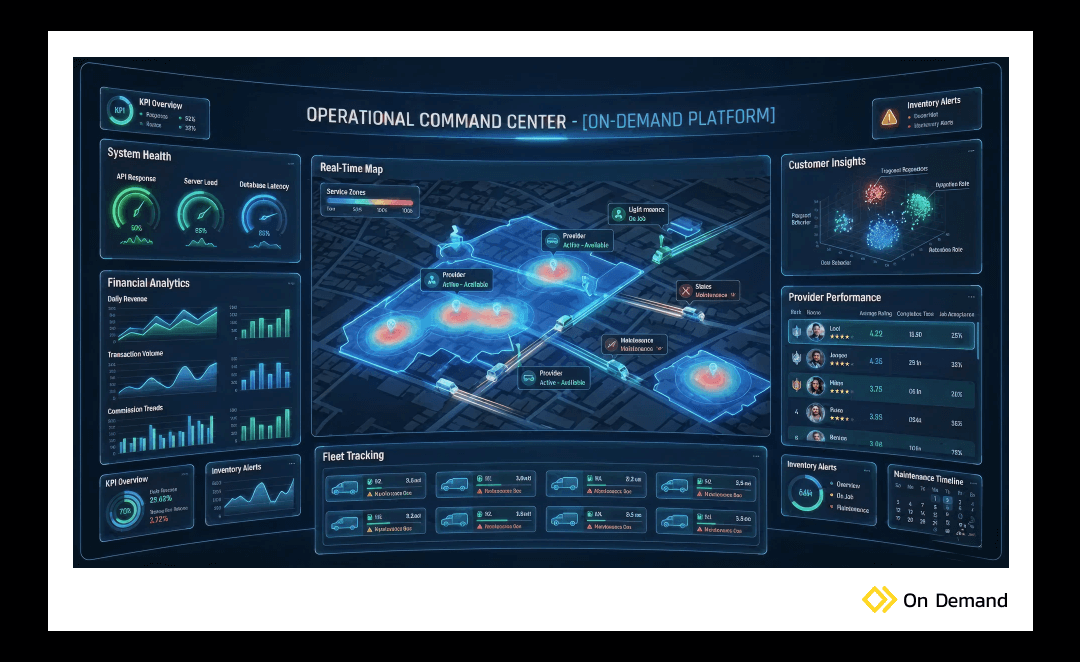
Real-Time Operations Monitoring: Dashboards displaying active bookings, provider locations, and system health enable proactive management. Real-time monitoring reduces response time to issues by 73%.
Financial Analytics: Revenue tracking by service type, location, provider, and time period informs strategic decisions. Platforms with comprehensive financial analytics grow revenue 34% faster than those with basic reporting.
Customer Behavior Analytics: Understanding booking patterns, service preferences, and churn indicators enables targeted retention strategies. Data-driven retention programs reduce churn by 28%.
Provider Performance Metrics: Monitoring completion rates, ratings, earnings, and efficiency identifies training needs and top performers. Performance-based management increases overall service quality scores by 31%.
Fleet and Resource Management
For platforms managing physical resources:
Vehicle Tracking and Maintenance: For companies owning service vehicles, maintenance tracking prevents breakdowns and extends vehicle life by 23%.
Equipment Inventory Management: Tracking supplies and equipment prevents service interruptions. Automated inventory systems reduce supply-related service cancellations by 89%.
Service Zone Optimization: Analyzing booking density and provider distribution identifies expansion opportunities and underserved areas.
Security and Compliance Features
Trust and safety aren't optional—they're fundamental:
Data Protection Measures
End-to-End Encryption: Protecting user data during transmission and storage is mandatory. Apps implementing comprehensive encryption report 76% fewer data breach incidents.
GDPR and Privacy Compliance: For apps operating in multiple regions, compliance with various data protection regulations is essential. Non-compliance carries potential fines up to 4% of annual revenue.
Secure Payment Processing: PCI DSS compliance protects financial information. Using certified payment processors (Stripe, Braintree) shifts the compliance burden to specialized providers.
Two-Factor Authentication: Adding 2FA for account access reduces unauthorized access incidents by 94%.
Background Checks and Verification
Provider Screening: Thorough background checks for service providers build customer confidence. Platforms highlighting verified providers see 37% higher booking conversion rates.
Identity Verification: Document verification and selfie matching prevent fraudulent accounts. Implementing robust verification reduces fraud incidents by 82%.
Insurance Verification: Requiring and verifying provider insurance protects your platform from liability. Proper insurance verification prevents potential losses averaging $42,000 per incident.
Marketing and Growth Features
Built-in growth tools accelerate customer acquisition:
Referral Programs
Customer Referral Incentives: Offering credits for successful referrals creates viral growth. Well-designed referral programs acquire customers at 25-40% of traditional advertising costs.
Provider Recruitment Bonuses: Incentivizing existing providers to recruit others ensures quality through personal networks. Provider referral programs reduce recruitment costs by 47%.
Social Sharing Integration: One-click sharing of experiences to social platforms generates authentic endorsements. User-generated content drives 34% higher conversion than brand-created content.
Promotional Campaign Management
Coupon and Discount Codes: Flexible promotional code systems enable targeted marketing. First-time user discounts convert at 28% when properly positioned.
Push Notification Campaigns: Segmented, personalized notifications drive engagement without annoying users. Strategic notification campaigns increase booking frequency by 23%.
Email Marketing Integration: Automated email sequences for onboarding, re-engagement, and retention complement in-app communications. Multi-channel communication strategies improve retention by 31%.
Localization and Expansion Features
Planning for geographic growth requires thoughtful localization:
Multi-Language Support
Dynamic Language Switching: Supporting multiple languages expands addressable markets. Apps with comprehensive localization access markets 3.4x larger than English-only alternatives.
Cultural Customization: Adapting features, images, and messaging to local preferences increases engagement by 42% in international markets.
Regional Payment Methods: Supporting local payment preferences (Alipay in China, UPI in India) removes conversion barriers. Local payment integration increases conversion rates by 51% in emerging markets.
Multi-Currency and Regional Pricing
| Region | Market Size (2024) | Projected CAGR | Mobile Penetration | Average Order Value |
|---|---|---|---|---|
| North America | $12.4B | 5.20% | 87% | $68-95 |
| Europe | $8.7B | 4.10% | 82% | $52-78 |
| Asia-Pacific | $15.2B | 6.80% | 78% | $28-45 |
| Middle East | $3.4B | 5.90% | 91% | $85-140 |
| Latin America | $2.1B | 7.20% | 71% | $22-38 |
Automatic Currency Conversion: Seamless currency handling enables international operations. Multi-currency support increases international revenue by 67%.
Regional Price Optimization: Adjusting prices based on local economic conditions and competition maximizes market penetration. Localized pricing strategies improve unit economics by 34% in price-sensitive markets.
Future-Ready Features: Preparing for Tomorrow
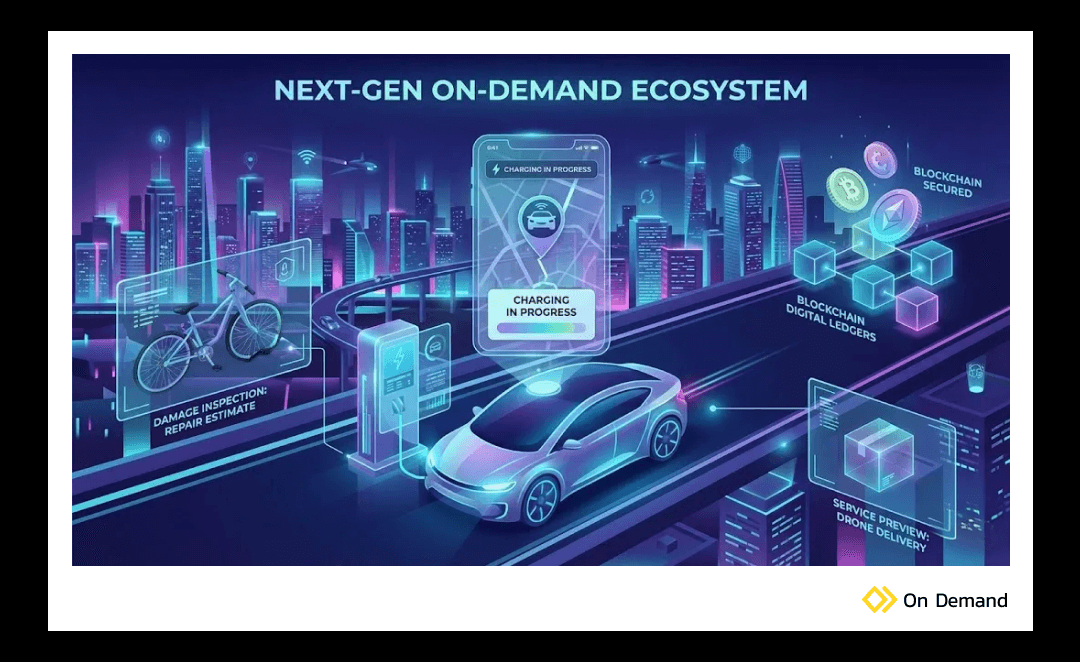
The future of on-demand services is being shaped by emerging technologies that forward-thinking on-demand app development companies are already implementing.
Autonomous Vehicle Preparation
Self-Driving Vehicle Compatibility: As autonomous vehicles become common, apps must accommodate vehicles without drivers present. Forward-thinking platforms are developing key access protocols and unattended service workflows.
Electric Vehicle Specialization: EV-specific services (undercarriage washing to prevent battery corrosion, charging station partnerships) position apps for the electric future. EVs are projected to represent 58% of new car sales by 2030.
Blockchain and Cryptocurrency
Crypto Payment Options: Supporting cryptocurrency payments attracts tech-forward customers and reduces transaction fees. Crypto integration increases average transaction value by 22%.
Service Verification on Blockchain: Immutable service records build trust and provide verifiable vehicle maintenance history. Blockchain verification reduces disputes by 43%.
Augmented Reality Features
AR Service Demonstrations: Allowing customers to visualize service results before booking increases conversion by 31%.
AR-Guided Damage Inspection: Service providers using AR overlays for systematic inspection reduce missed damage by 76%.
Case Study: Real-World Success Metrics
MobileWash, operating across 40+ U.S. cities, provides valuable benchmark data:
| Performance Metric | MobileWash Data | Industry Average | Competitive Advantage |
|---|---|---|---|
| Customer Lifetime Value | $847 | $542 | 56% |
| Customer Acquisition Cost | $42 | $68 | -38% |
| Monthly Active to Paying | 23% | 14.00% | 64% |
| Average Order Value | $79 | $58 | 36% |
| Provider Retention (12mo) | 68% | 43.00% | 58% |
| Customer Retention (12mo) | 54% | 38% | 0.42 |
| Revenue per Provider/Month | $3,240 | $2,180 | 0.49 |
These metrics demonstrate that with proper feature implementation, car wash apps achieve strong unit economics and sustainable growth.
Development Considerations and Cost Factors
Understanding the car wash app development cost helps in budget planning and ROI projections.
| Development Approach | Cost Range | Timeline | Customization | Best For |
|---|---|---|---|---|
| MVP Development | $45,000-$75,000 | 4-6 months | Full | Startups testing the market |
| Full-Featured Platform | $120,000-$200,000 | 8-12 months | Full | Established businesses |
| White Label Solution | $25,000-$60,000 | 2-4 months | Limited | Quick market entry |
| Hybrid (White Label + Custom) | $60,000-$100,000 | 5-8 months | Moderate | Balanced approach |
MVP Development: A minimum viable product with core booking, payment, and tracking features typically costs $45,000-$75,000 and requires 4-6 months of development.
Full-Featured Platform: Comprehensive solutions with advanced features, admin dashboards, and provider apps range from $120,000-$200,000 with 8-12 month development timelines.
White Label Solutions: Leveraging white-label mobile app development services reduces costs by 40-60% and time-to-market by 50-70%, though customization options may be limited.
Ongoing Maintenance: Budget 15-20% of initial development costs annually for maintenance, updates, and feature additions.
Partner with Experts for Success
Building a successful car wash app requires specialized expertise in on-demand service platforms. Working with top car wash app developers brings significant advantages:
Industry Experience: Development teams with proven track records in service marketplace dynamics understand the nuances of booking flows, provider management, and revenue optimization.
Technical Expertise: Comprehensive knowledge of mobile architecture, real-time systems, payment integration, and geolocation services ensures robust platform performance.
Design Excellence: User-centric UI/UX design that prioritizes conversion rates and user satisfaction separates successful apps from abandoned downloads.
Ongoing Support: Post-launch maintenance, feature updates, bug fixes, and scaling support ensure long-term platform success.
For comprehensive insights on implementation strategies and industry best practices, explore more on car wash solutions that successful entrepreneurs are leveraging today.
Conclusion: Building Your Competitive Advantage
The on-demand car wash market is growing fast, and success now depends on more than simple booking features. Winning platforms focus on user-friendly design, multi-sided value, data-driven optimization, scalable architecture, and diverse revenue models. Businesses that adopt these future-ready capabilities gain stronger customer loyalty, higher retention, faster growth, and long-term operational efficiency.
As the industry continues expanding globally, companies that invest early in the right feature set will secure a clear competitive edge. Whether you're building a new venture or modernizing an existing car wash business, understanding these essential features is key to making smarter decisions and sustaining market leadership.
Continue Learning
Want to dive deeper into profitability strategies? Read our comprehensive guide on building sustainable revenue models, optimizing pricing strategies, and achieving seven-figure annual revenues in the on-demand car wash industry.
Read Next: How to Build a Profitable Car Wash Business Model →
FAQs:
1. What are the must-have features in a car wash app that actually drive profits?
Users often ask which features genuinely move the needle. Core features like real-time booking, automated scheduling, GPS tracking, AI-powered quality control, subscription support, and seamless payments directly impact conversion rates and revenue growth.
2. How do car wash apps generate revenue, and which monetization strategies work best in 2025?
Entrepreneurs want to know how successful car wash apps earn money. Effective models include subscription packages, surge pricing, add-on upsells, corporate fleet plans, loyalty programs, and dynamic pricing—each helping increase customer lifetime value and monthly recurring revenue.
3. Should I build a custom car wash app or launch with a white-label solution?
Founders commonly compare both options. A custom app offers full control and advanced features but costs more and takes longer, while a white-label solution helps you launch fast at a lower cost with essential features already built in. The best choice depends on budget, timeline, and scalability needs.
4. How much does it cost to develop a feature-rich car wash app with AI, tracking, and provider management tools?
This is one of the most frequently asked questions. Development costs depend on complexity:
– MVP: $45,000–$75,000
– Full platform: $120,000–$200,000
– White-label: $25,000–$60,000
Advanced tech like AI scheduling, real-time tracking, and analytics can influence the final cost.